
Introduction
Launching a forex brokerage often begins with strong expectations. Brokers invest in marketing, build sales teams, and prepare to attract traders from across the globe. At first, everything seems to move quickly leads start arriving, new accounts are created, and the trading platform goes live. However, many brokerage owners soon encounter a frustrating reality: despite steady lead flow, the business does not grow the way they expected.
Some traders register but never deposit. Others trade briefly and disappear. Sales teams struggle to follow up with leads effectively, and operational teams become overwhelmed with manual tasks. The entire business begins to feel chaotic, leaving many founders wondering whether the problem lies in the market, competition, or trader behavior.
In most cases, the real issue is far simpler and far more structural. Many forex brokerages launch without a fully optimized operational framework. A brokerage today is not just a trading interface. It is a complex ecosystem involving onboarding systems, CRM management, compliance checks, reporting tools, and trader engagement infrastructure. When these systems are poorly connected or inefficient, growth becomes difficult to sustain.
Successful brokerages are built on strong technological foundations. With the right infrastructure in place, brokers can convert leads more effectively, manage traders efficiently, and scale their operations without constant operational stress. Understanding these internal bottlenecks is the first step toward building a stable and scalable forex brokerage.
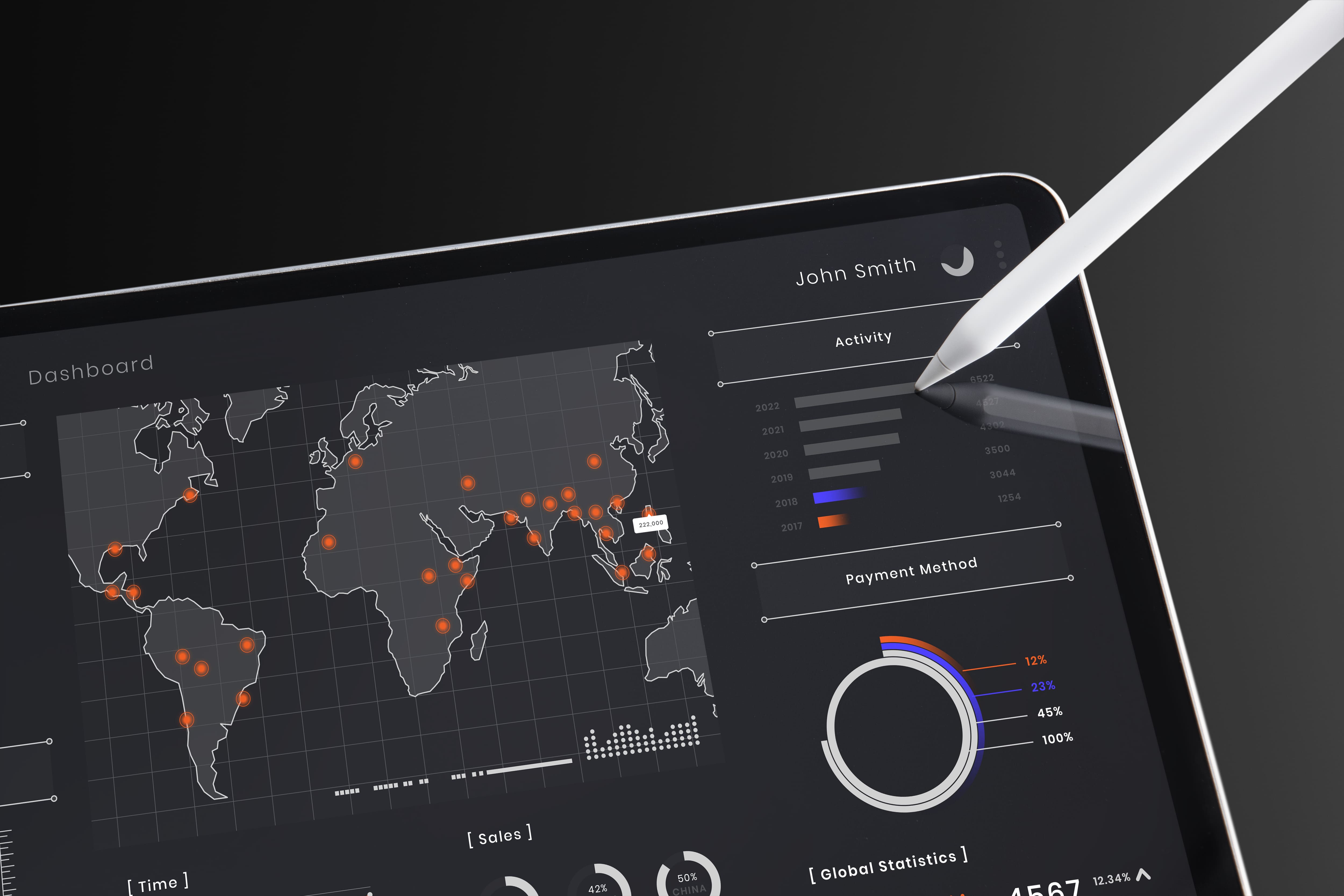
The Real Reason Brokers Feel Overwhelmed
Running a brokerage involves far more than simply providing a trading platform. Behind every trader’s action lies a network of operational systems working together.
These typically include:
Client registration systems
Account verification processes
Trader relationship management tools
Sales and marketing tracking systems
Back-office reporting tools
Customer support infrastructure
When these systems are not properly integrated, teams begin to rely heavily on manual work. Leads are lost between departments, sales teams cannot track client activity, and management lacks clear visibility into business performance.
This operational fragmentation is what creates the feeling that the brokerage is “losing control.”
Common Operational Bottlenecks in Forex Brokerages
1. Low Lead-to-Trader Conversion
Many brokerages generate large volumes of leads through digital marketing, affiliate networks, and advertising campaigns. However, generating leads is only the first step.
The real challenge is converting those leads into active traders.
Some of the most common barriers include:
Complicated account registration processes
Delayed verification steps
Poor onboarding guidance for new traders
Lack of automated follow-ups from the sales team
If traders encounter friction during their early experience, they are far more likely to abandon the platform before becoming active clients.
2. Limited Business Visibility
Another major challenge is the absence of real-time performance insights.
Brokerage founders often struggle to answer essential questions such as:
How many leads converted into registered traders today?
How many accounts completed onboarding?
Which campaigns bring the most engaged users?
What percentage of traders remain active after their first week?
Without reliable analytics, decision-making becomes guesswork.
Modern brokerages rely heavily on data-driven insights to optimize marketing, improve trader retention, and identify growth opportunities.
3. Inefficient CRM Management
Client relationship management is one of the most critical aspects of brokerage growth.
A powerful brokerage CRM allows teams to:
Track every lead interaction
Segment traders based on activity
Automate follow-up communications
Monitor account engagement
Identify high-value traders
Without a structured CRM system, sales teams often operate blindly, missing valuable opportunities to convert leads into long-term clients.
4. Operational Inefficiencies
Operational inefficiencies can silently damage brokerage performance.
These problems often appear as:
Slow account approvals
Manual administrative processes
Delayed customer support responses
Lack of internal workflow automation
Over time, these inefficiencies increase operational costs and reduce the brokerage’s ability to scale.
Why Technology Infrastructure Determines Brokerage Success
Many new brokers assume that aggressive marketing alone will drive business growth.
They increase spending on:
Paid advertising campaigns
Affiliate partnerships
Social media promotions
While marketing is important, it cannot compensate for weak infrastructure.
If the brokerage backend is inefficient, more traffic simply creates more operational problems. Instead of scaling smoothly, the business becomes harder to manage.
This is why successful brokerages prioritize infrastructure before expansion.
Building a Strong Forex Brokerage Ecosystem
To create a scalable brokerage operation, several core components must work together seamlessly.
Reliable Trading Platform
The trading platform must provide stability, speed, and a professional trading environment. Many brokerages rely on MetaTrader 4, one of the most widely used trading platforms in the forex industry.
Automated Client Onboarding
Smooth onboarding helps traders move from registration to active trading quickly. Automation reduces delays and improves user experience.
Advanced CRM Integration
A well-integrated CRM allows brokerages to manage trader relationships, track lead sources, and automate engagement strategies.
Business Intelligence and Analytics
Real-time reporting dashboards give management teams the ability to track growth metrics and make informed decisions.
Scalable Technology Architecture
Brokerages must ensure their infrastructure can support growth without requiring constant technical adjustments.
How MT4 White Label Solutions Simplify Brokerage Launch
Building a complete brokerage infrastructure from scratch can take significant time and technical expertise. Many firms therefore choose structured launch solutions such as an MT4 White Label.
An MT4 White Label setup provides brokers with a ready-to-operate trading environment, allowing them to focus on business growth rather than technical complexity.
Key benefits include:
Faster brokerage launch timelines
Professional trading platform setup
Integrated back-office management tools
Efficient trader management systems
Reduced operational complexity
Companies like Get MT4 White Label specialize in providing these infrastructure solutions, enabling brokers to enter the market with a reliable operational foundation.
Turning Brokerage Challenges Into Growth Opportunities
When a brokerage operates on a strong technological foundation, the entire business becomes easier to manage.
Instead of constantly fixing operational issues, teams can focus on:
Expanding trader acquisition strategies
Improving customer engagement
Strengthening brand credibility
Scaling marketing campaigns efficiently
A structured brokerage environment transforms chaos into clarity and allows sustainable long-term growth.
Conclusion
Many forex brokers reach a stage where the business feels difficult to manage. Leads arrive, traders register, and operations expand yet profitability and stability remain inconsistent. While it may seem like external market factors are responsible, the root cause is usually internal operational structure.
A successful brokerage requires more than a trading platform. It requires an integrated ecosystem that supports trader onboarding, client management, operational efficiency, and real-time business visibility.
By investing in the right technological infrastructure and streamlined operational systems, brokerages can eliminate bottlenecks and create a scalable foundation for growth.
For firms planning to launch or expand their trading operations, solutions like an MT4 White Label environment provide a practical path to building a professional brokerage without the complexity of developing everything from scratch.