
Introduction
For many forex brokerages, adding crypto looks like the next logical move. Traders are asking for it, competitors are already offering it, and the market momentum makes it feel like a missed opportunity if ignored.
But in practice, this is where a lot of brokerages make a costly mistake.
Crypto is not just another asset class you plug into your platform it changes how your brokerage operates at a fundamental level. From execution behavior and platform load to risk handling and client expectations, everything shifts the moment crypto trading goes live.
Brokerages that approach this as a simple expansion often run into problems they didn’t anticipate: inconsistent execution during volatility, increased support pressure, trader dissatisfaction, and internal systems that struggle to keep up.
From working closely with brokerage environments and platform setups, one pattern is clear:
The brokerages that succeed with crypto are not the fastest to launch—they are the most prepared.
This guide breaks down what actually needs to be in place before you introduce crypto into your forex brokerage, so your decision strengthens your infrastructure, rather than exposing its gaps.
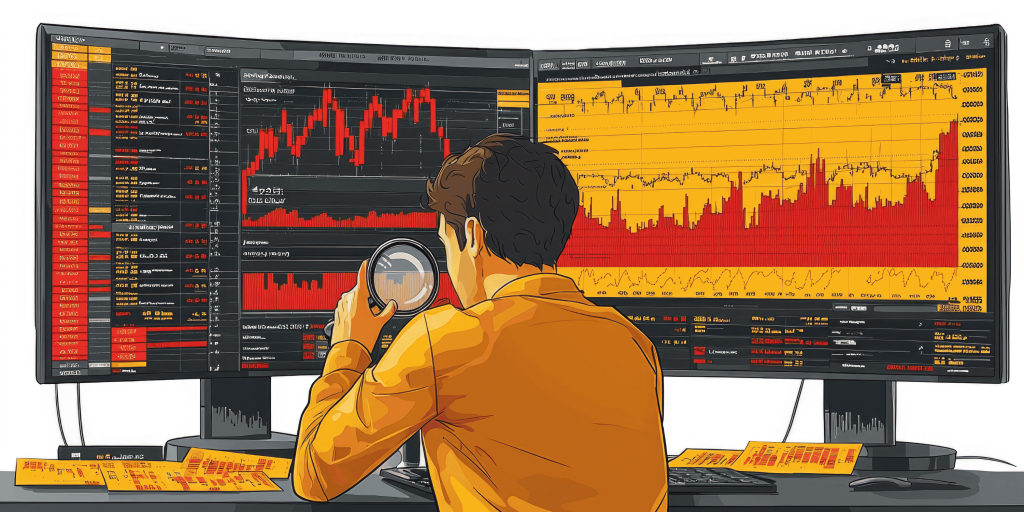
1. Crypto Forces a 24/7 Operating Model
Forex operates within defined cycles. Crypto does not.
Once you introduce crypto trading, your brokerage effectively becomes a non-stop environment. This impacts:
System uptime expectations
Monitoring frequency
Technical response time
Client support availability
If your current setup is optimized for forex trading patterns, this shift can expose weaknesses quickly. Even small delays or interruptions become far more visible when markets never pause.
2. Execution Consistency Becomes More Visible
Crypto traders are highly sensitive to execution behavior especially during volatility.
In forex, minor inconsistencies can go unnoticed. In crypto, they don’t.
Traders will quickly pick up on:
Order delays
Price inconsistencies
Platform lag during fast markets
These aren’t just technical issues they directly affect trust. And once trust drops, retention follows.
3. Trader Expectations Are Different and Higher
Crypto traders don’t evaluate your brokerage the same way traditional forex traders do.
They expect:
Instant responsiveness
Smooth platform performance under pressure
Seamless switching between instruments
A frictionless trading experience
Many of them have used platforms built specifically for digital assets. That benchmark becomes your competition not just other forex brokers.
4. Needs to Be Adaptive, Not Static
Crypto markets move faster and more aggressively than traditional forex pairs.
This creates a different kind of pressure on:
Margin handling
Stop-out mechanisms
Exposure tracking
Trade flow monitoring
Static configurations that work in forex environments often fail to respond effectively in crypto conditions. Without adaptive controls, brokerages either become too restrictive or too vulnerable.
5. Platform Strength Is a Make-or-Break Factor
Not all trading platforms are built to handle crypto efficiently.
The difference becomes obvious during:
High volatility periods
Sudden spikes in trading activity
Continuous trading cycles
If your platform struggles under peak forex conditions, adding crypto will amplify those issues.
This is why many brokerages face negative feedback after launch not because demand is lacking, but because the platform experience doesn’t meet expectations.
6. Compliance Complexity Increases
Crypto introduces additional layers of regulatory attention depending on your operating regions.
This can impact:
Client onboarding processes
Reporting standards
Transaction monitoring
Internal documentation
Brokerages that ignore this early often end up restructuring later which is far more complex than building correctly from the start.
7. Internal Alignment Is Critical
One of the most overlooked areas is internal readiness.
Adding crypto affects multiple teams:
Support teams need to understand new trading behaviors
Risk teams must respond faster to changing conditions
Technical teams must maintain higher uptime standards
If these teams are not aligned, the result is inconsistent service something traders notice immediately.
8. Crypto Is a Structural Shift, Not a Feature
This is the core reality most brokerages underestimate.
Adding crypto is not:
A quick feature rollout
A short-term growth hack
A simple competitive upgrade
It is a structural shift in how your brokerage operates.
Brokerages that treat it casually often face:
Increased churn
Operational inefficiencies
Platform-related complaints
Those that approach it strategically build:
Stronger trader retention
Better platform stability
Long-term scalability
Conclusion: Preparation Defines Outcome
Crypto can absolutely expand your brokerage but only if your foundation supports it.
The difference between growth and friction comes down to preparation.
The brokerages that succeed are the ones that:
Strengthen infrastructure before launch
Align internal teams with new market behavior
Focus on execution reliability
Understand that trader expectations will increase
Crypto doesn’t expose opportunity first it exposes weaknesses first.
If your brokerage is ready, it becomes a growth driver.
If not, it becomes a pressure point.
The smartest decision isn’t rushing to add crypto.
It’s making sure your brokerage is built to handle everything that comes after.